WHAT STILLNESS REVEALS
Where nothing seems to happen, something begins to appear.
My work arises from a personal need rather than an aesthetic pursuit. I grew up in Buenos Aires, a city where speed and visual saturation seemed to impose themselves as the norm. From my earliest encounters with photography, my gaze gravitated toward the minimal: clean frames, few elements, a visual economy that allowed me to breathe amid the excess. Without knowing it, I was already searching for another temporality.
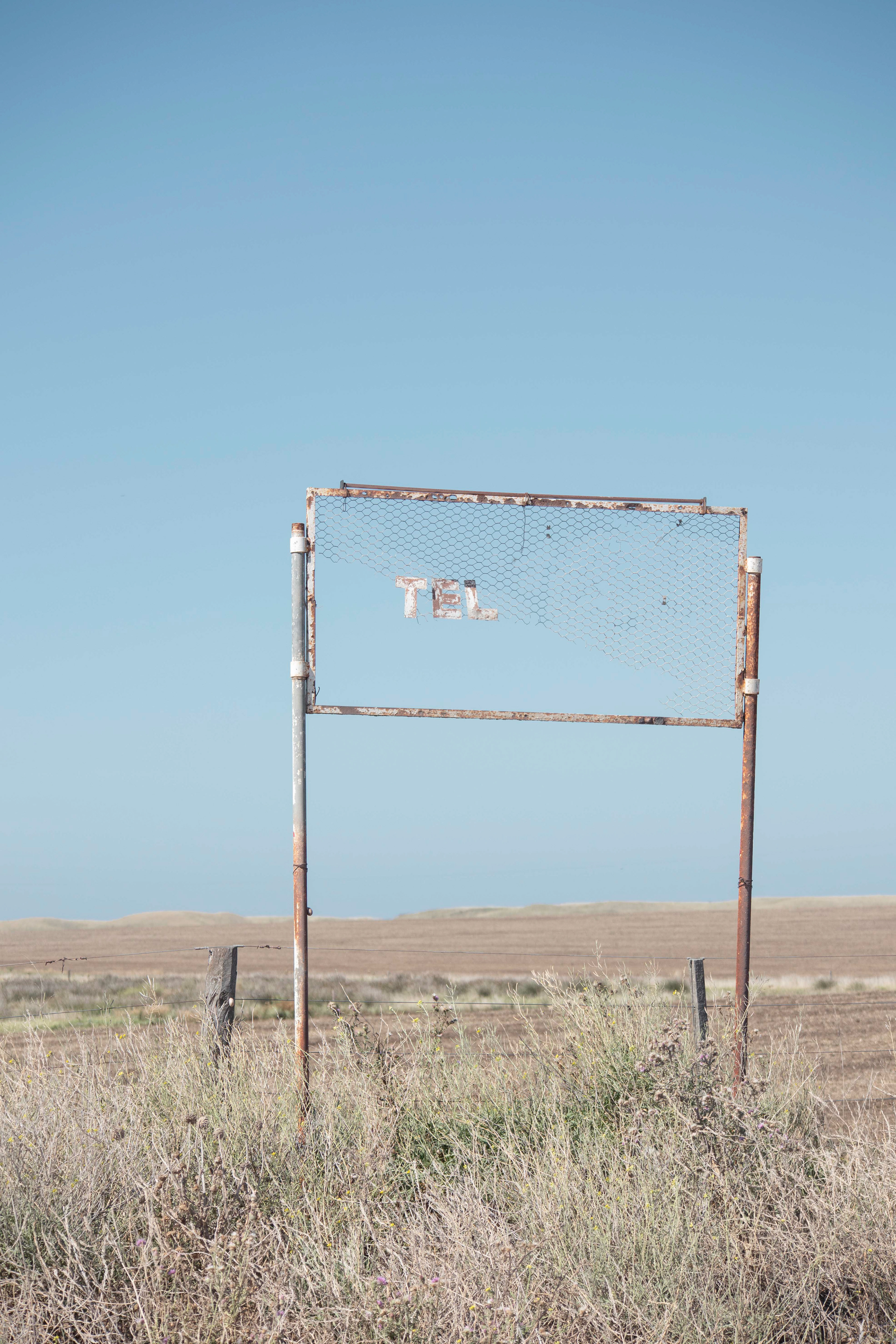
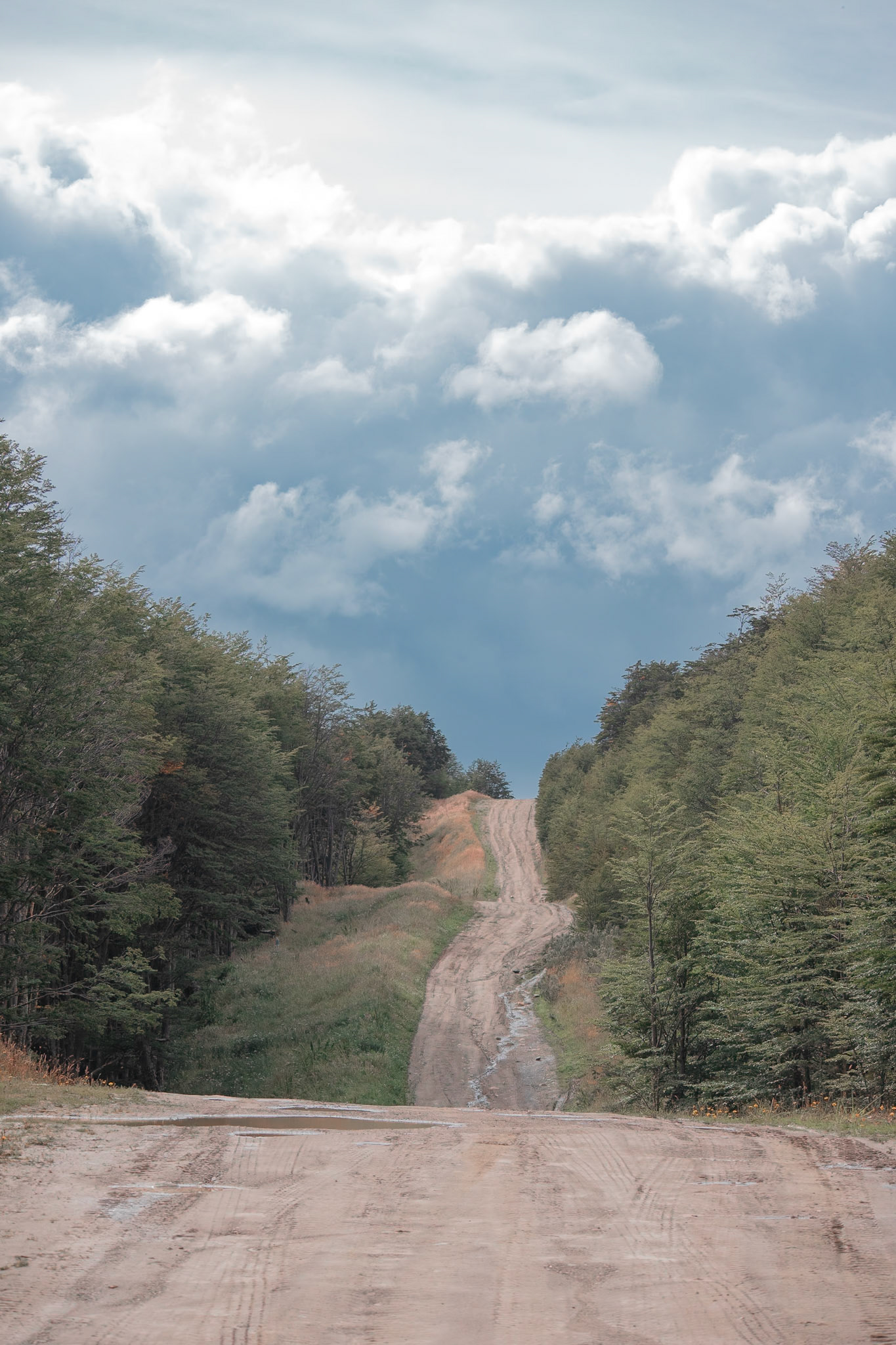
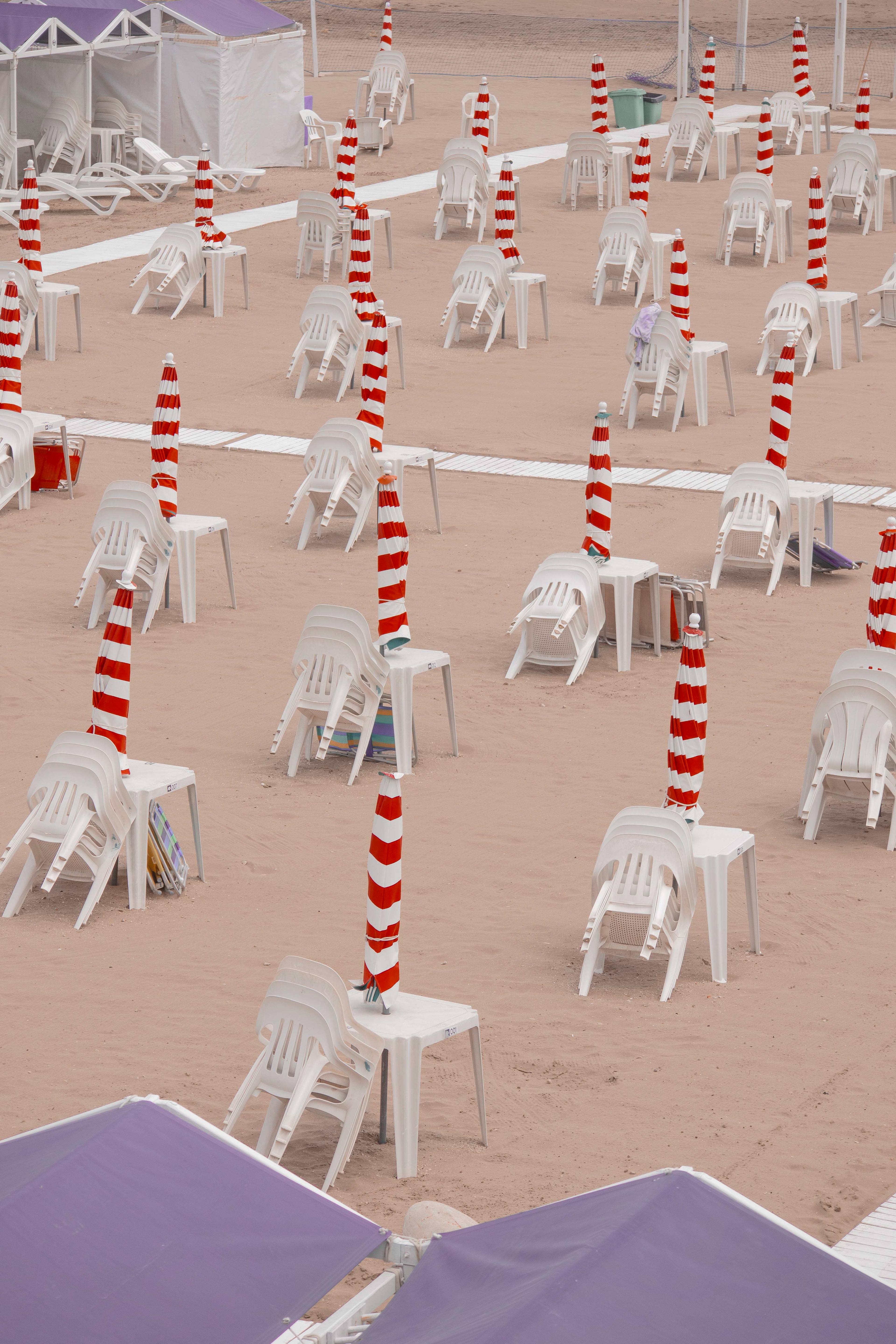
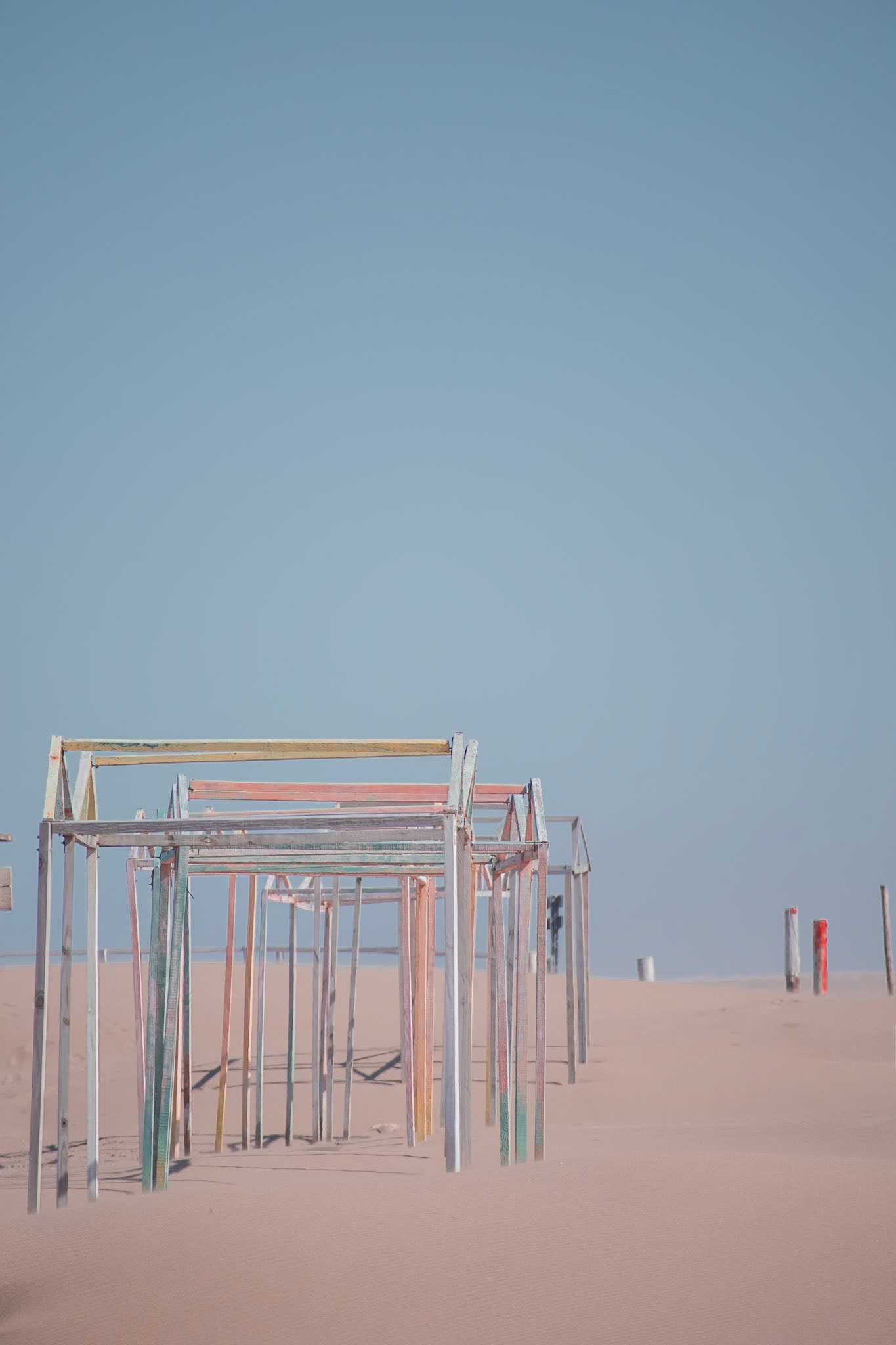
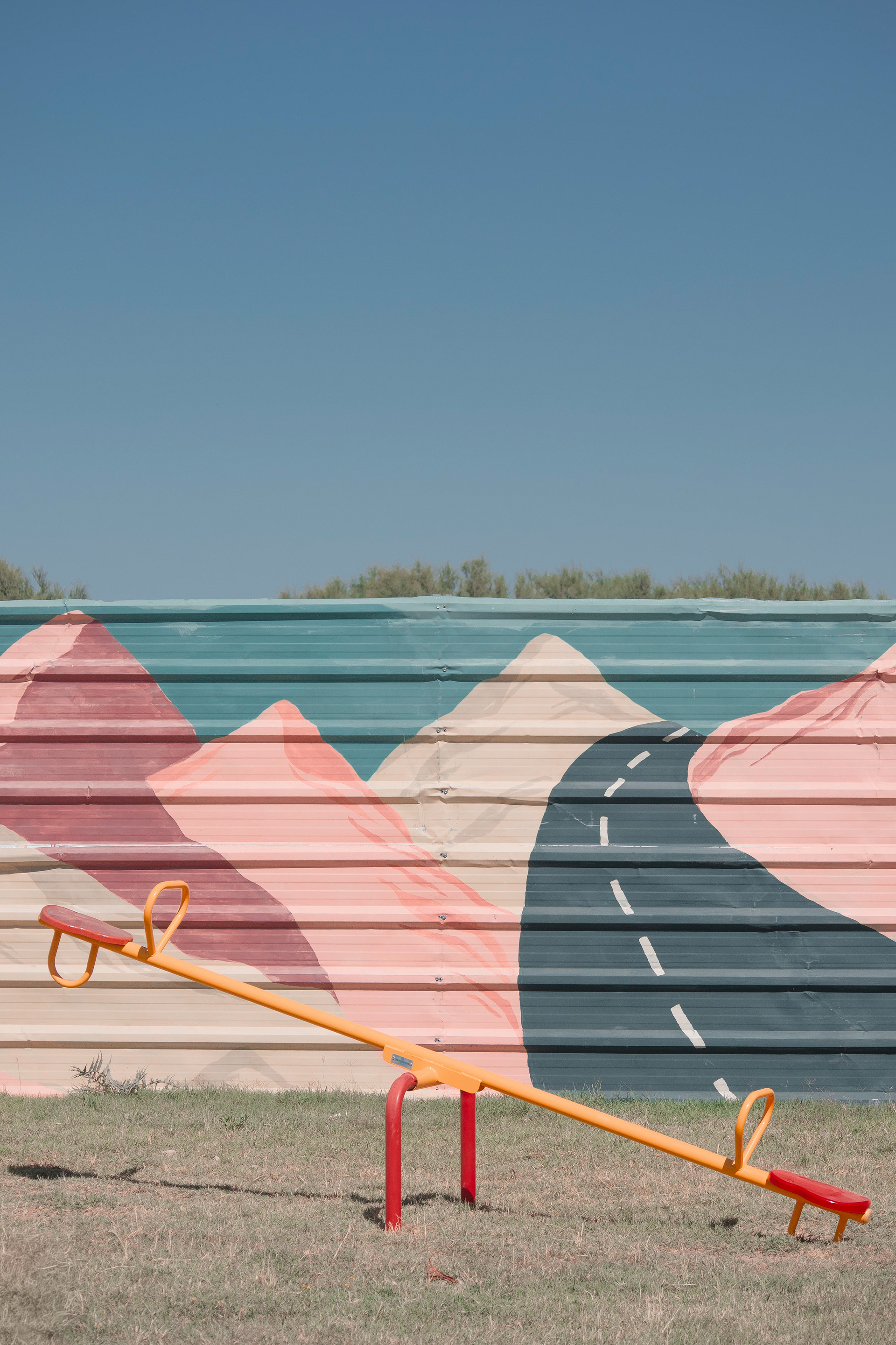
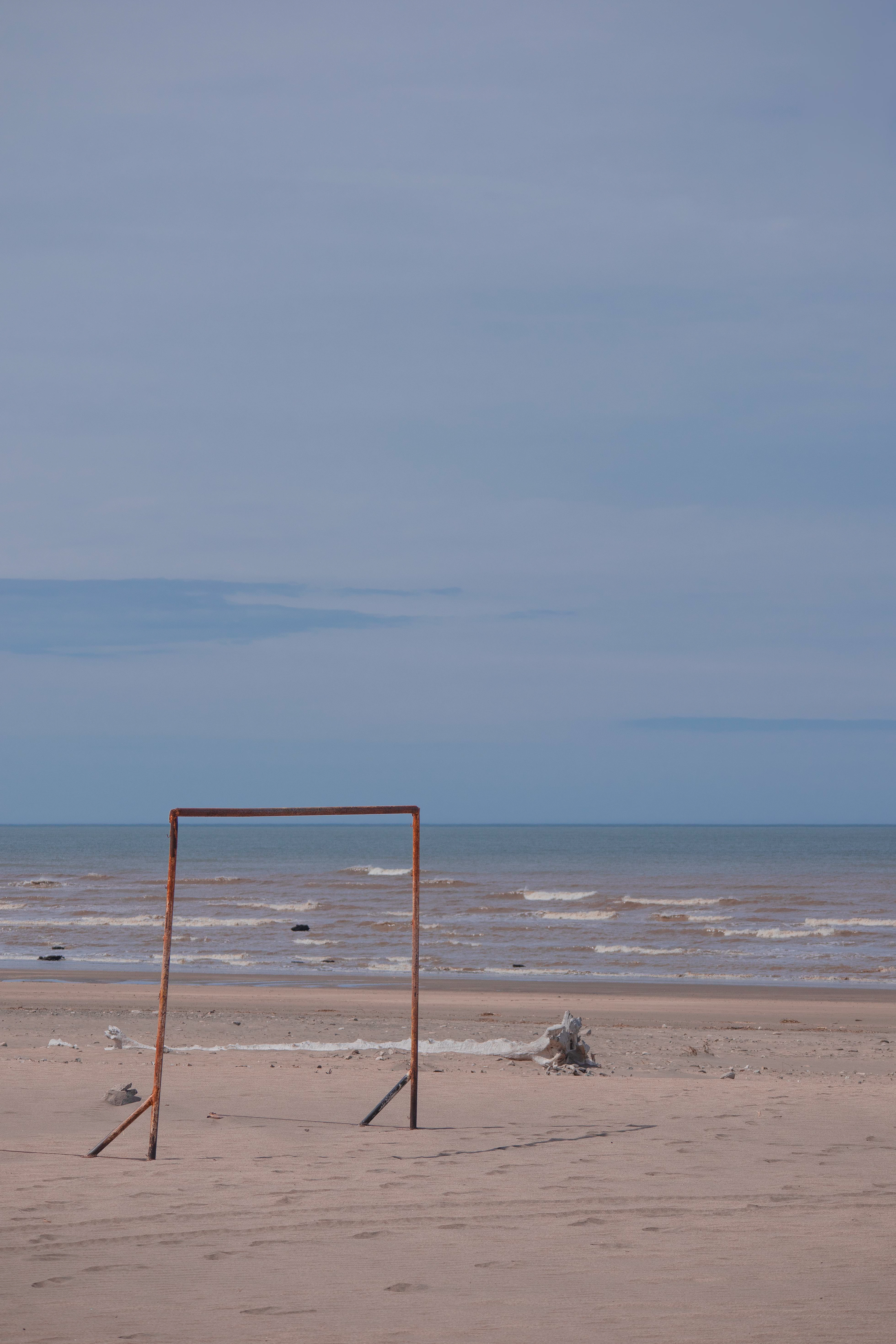
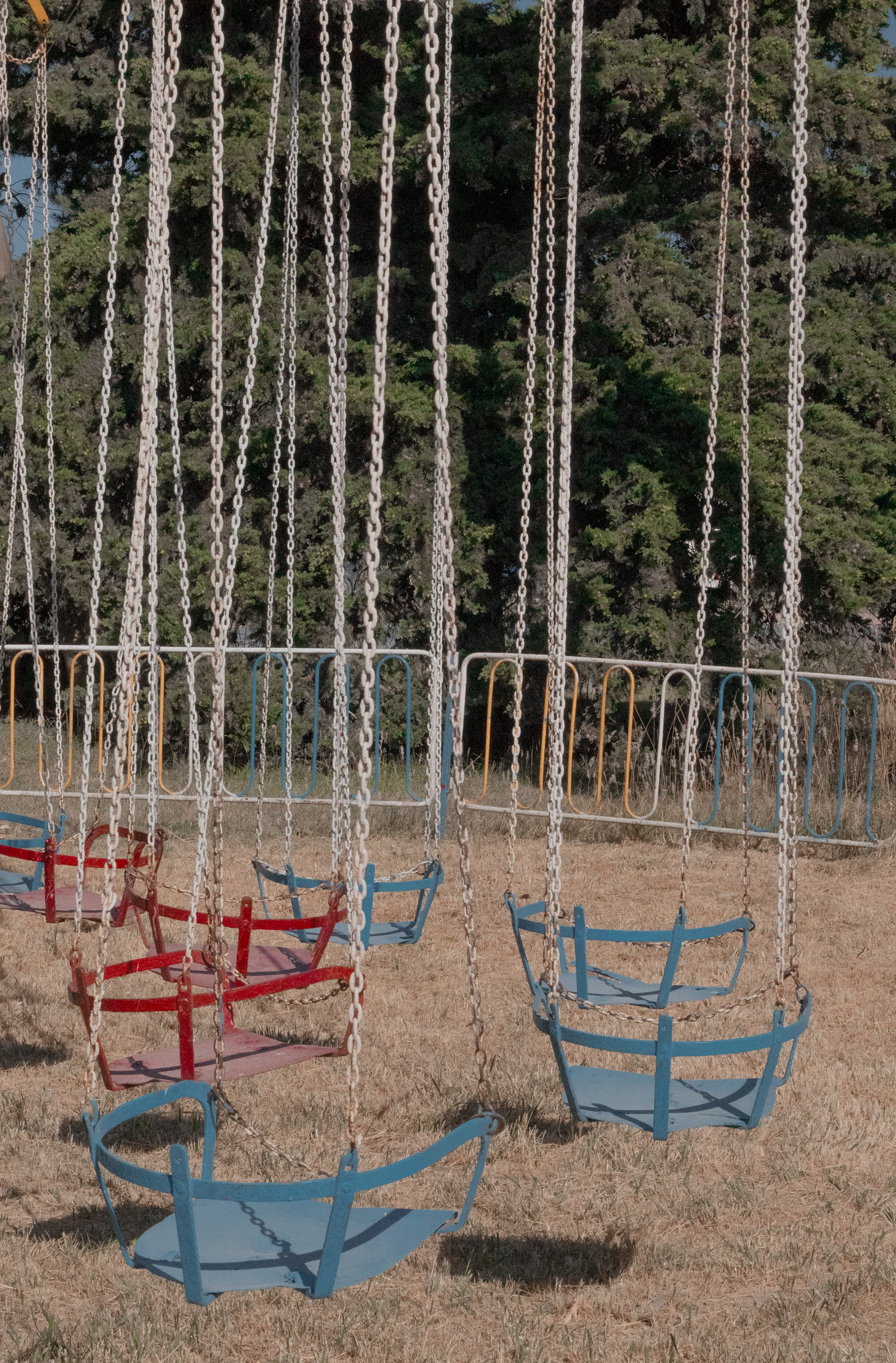
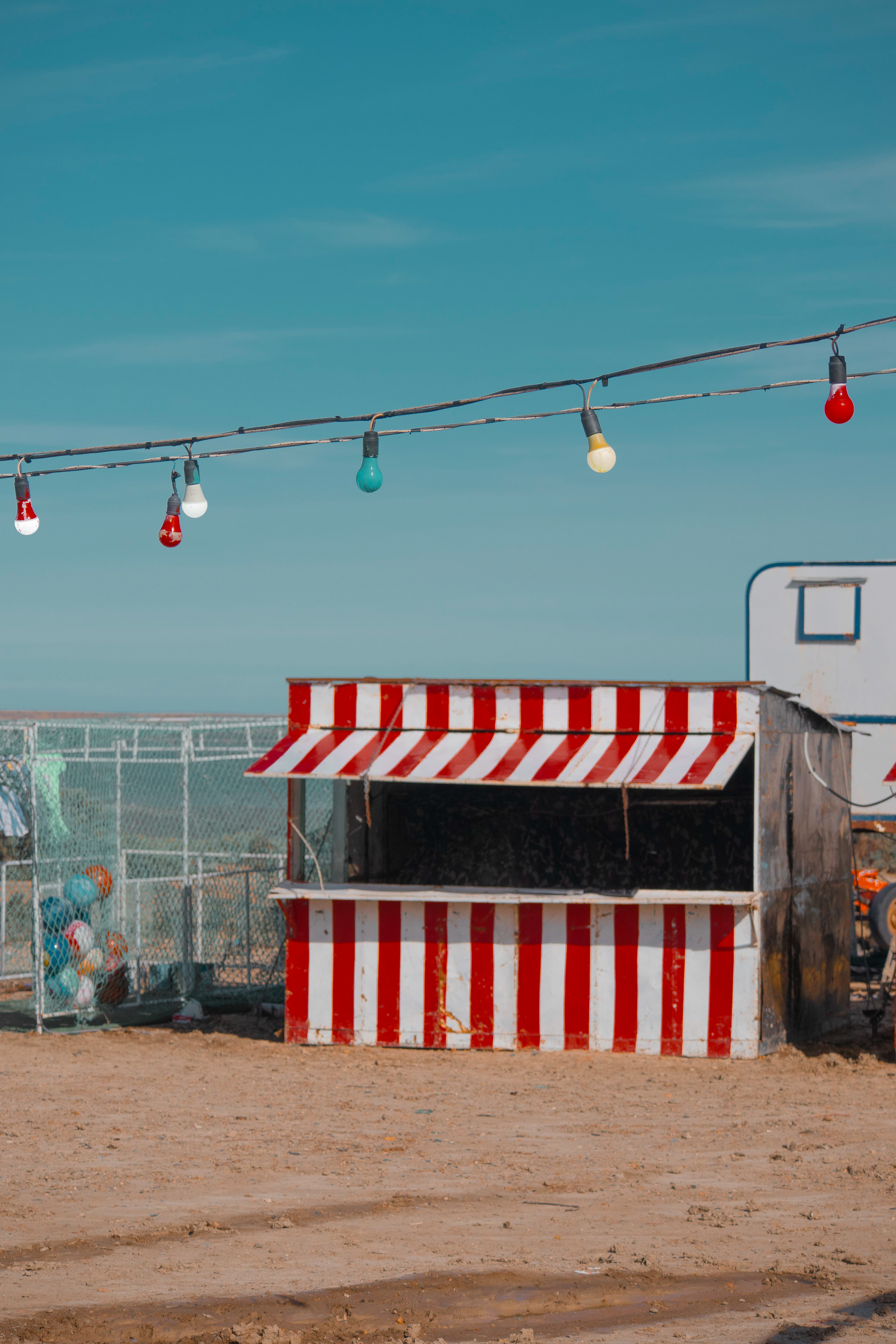
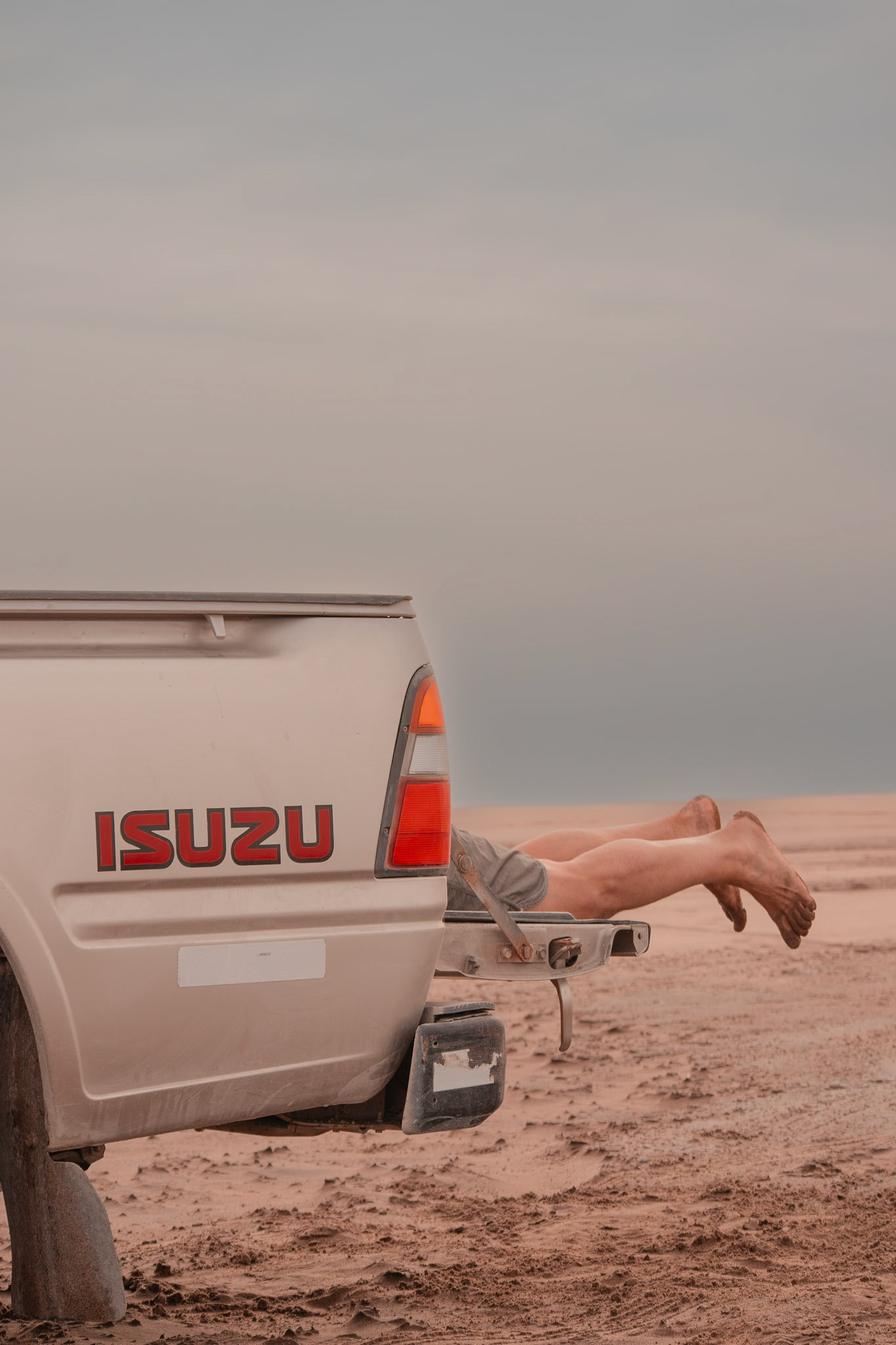
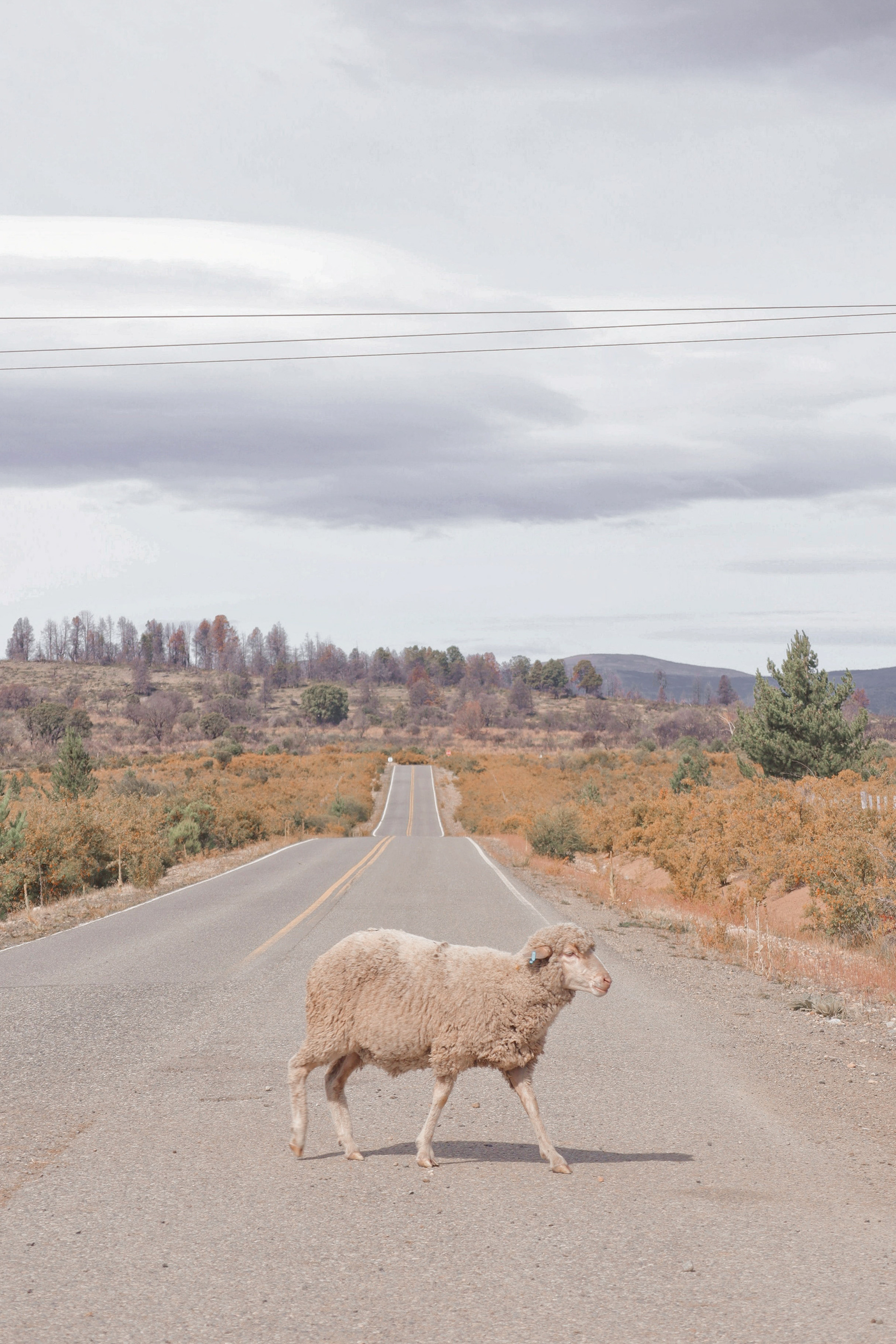
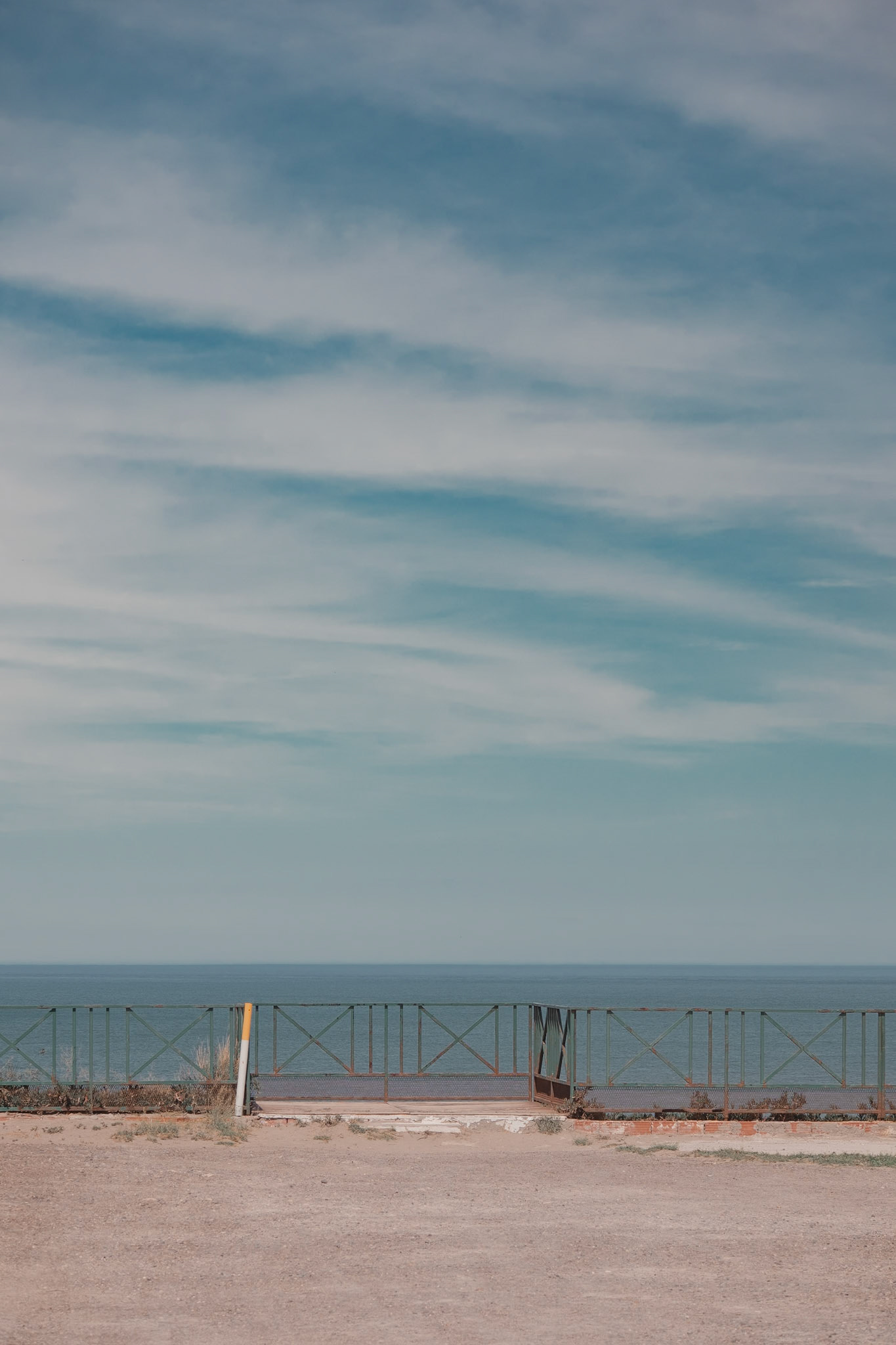
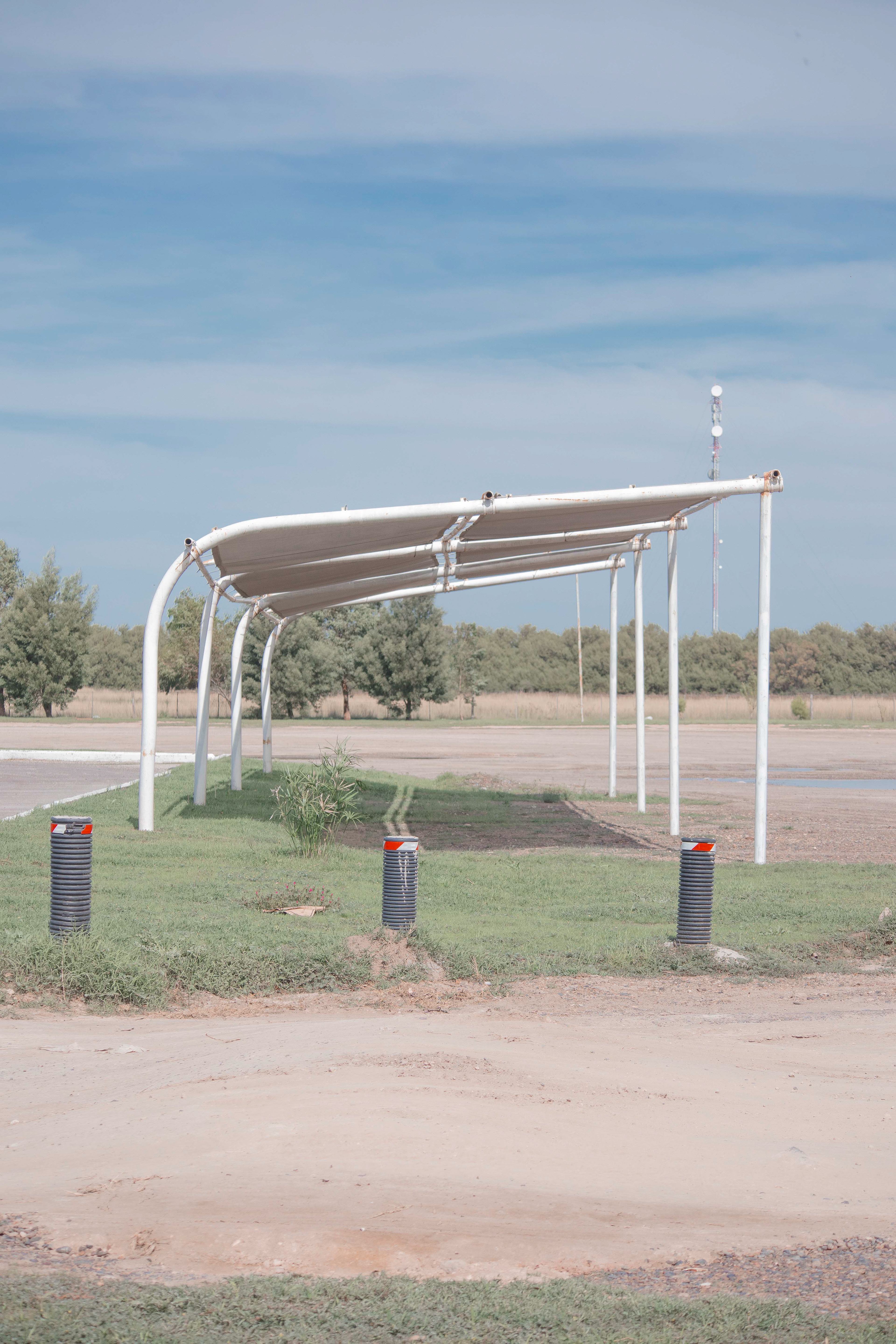
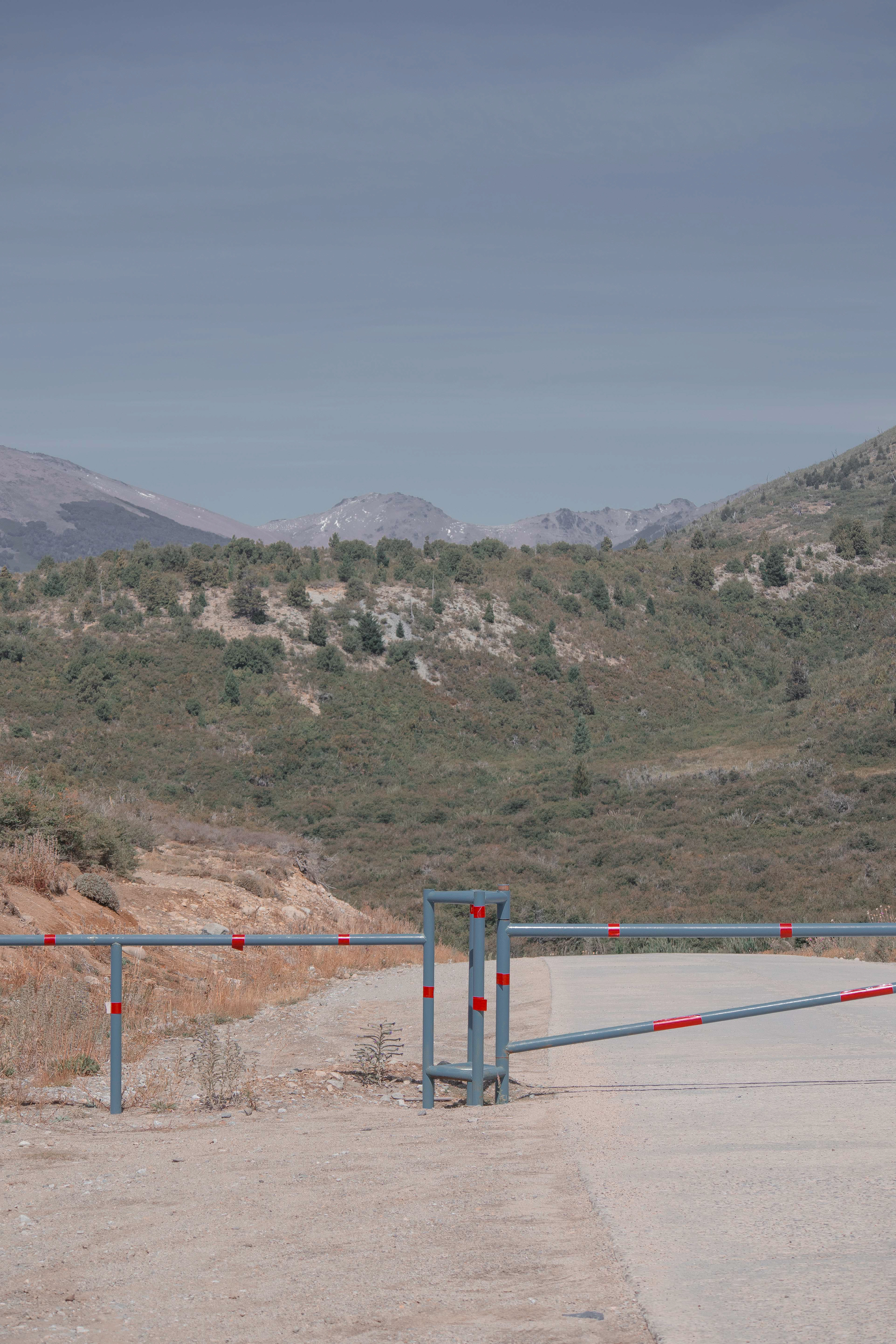
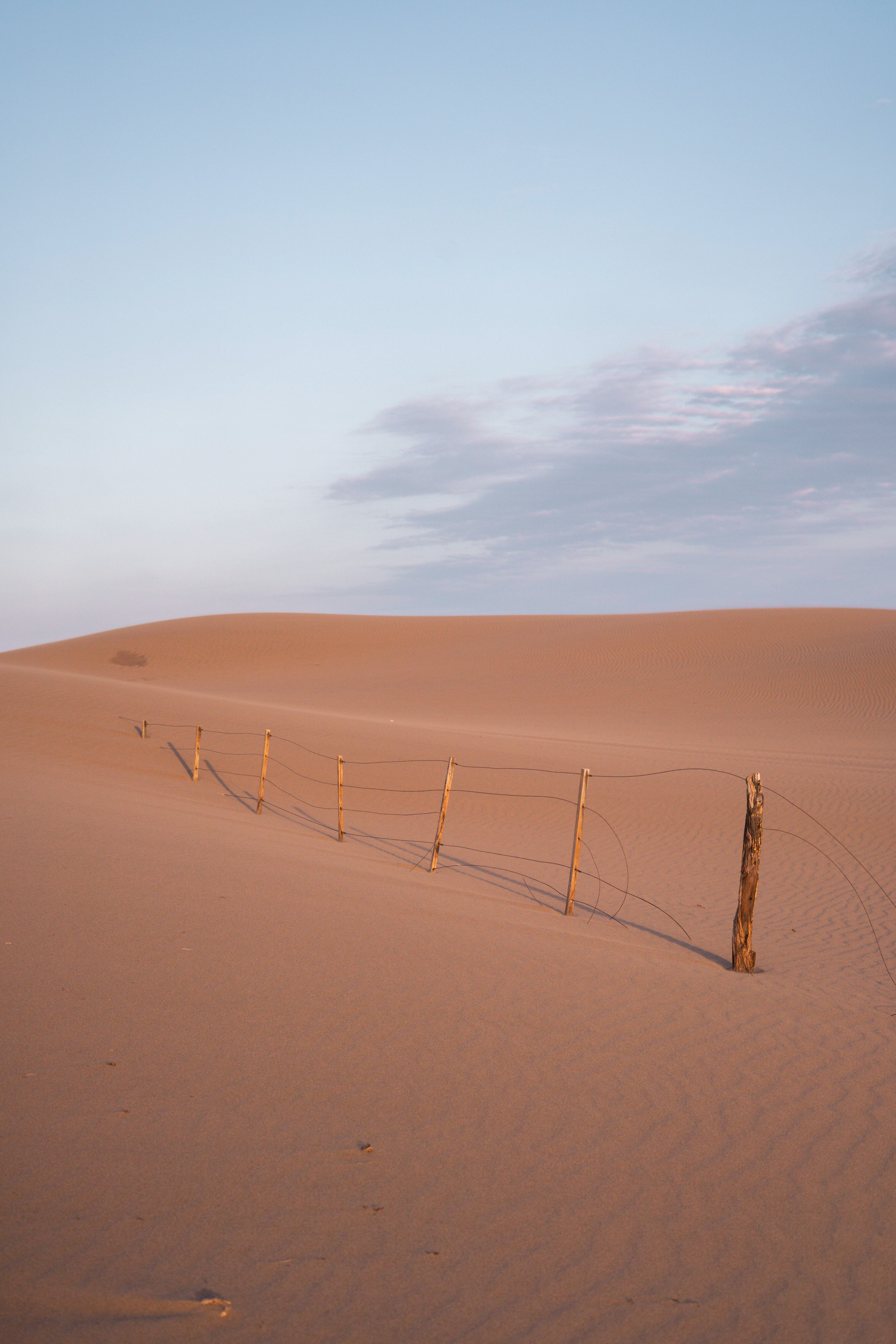
Over time, I understood that my deepest connection to photography emerges when I step away. On roads, in seaside towns out of season, or in small villages where the pace slows down, my perception expands. In these places where “nothing happens,” I find subtle traces of the human that carry an unexpected resonance. Stillness is not absence; it is a way of looking.
My background in dance inhabits these images. I learned to read a scene as a whole, to perceive balance, tension, and breath. When I photograph, I work from that bodily intuition: a form of perception that precedes thought and tells me where to pause. Color appears in the same way, it does not break in, it whispers.
As everything accelerates, these photographs invite another way of paying attention. They suggest that stillness is not an escape from contemporary life, but a condition in which other ways of inhabiting the world become visible and, perhaps, recognized.
These images do not mourn what has been lost. They reveal what still remains: quiet forms of presence, connection and attention that persist, waiting to be noticed. In places where nothing seems to happen, another possibility of inhabiting the world quietly reveals itself.